In the quiet hum of post-pandemic life, a curious sartorial shift has been unfolding, one that speaks not to the eyes but to the skin. The glove, a once-forgotten accessory relegated to winter utility or formal costume, is staging a profound and unexpected comeback. This is not merely a trend but a cultural recalibration, a collective yearning for a layer of meaning—and of touch—between ourselves and the world.
The pandemic irrevocably altered our relationship with physical contact. For over two years, handshakes were replaced by nods, hugs were fraught with anxiety, and the very air between people felt charged with invisible threat. Our hands, the primary instruments of our interaction with the physical realm, became vectors of fear, to be sanitized and hidden away. In this context, the glove transformed from a simple garment into a potent symbol. It was a barrier, a sleek second skin that offered a psychological safeguard against a world suddenly felt too raw, too exposed.
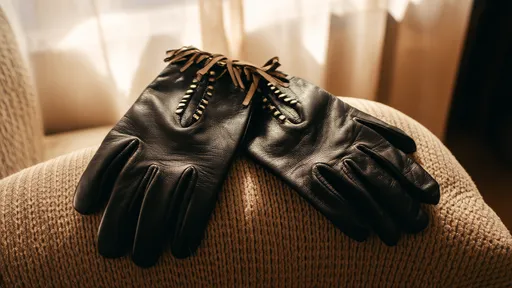
But as the immediate crisis has receded, the glove’s function has evolved with remarkable nuance. It is no longer just a shield; it has become a mediator. Designers and consumers alike are exploring gloves not for what they keep out, but for what they channel in. This new wave of tactile fashion is deeply concerned with texture, weight, and the sensation of material against skin. There is a burgeoning appreciation for gloves that are experiences in themselves—the supple drag of lambskin, the intricate weave of fine-gauge cashmere, the cool, smooth kiss of silk satin lining. We are seeking garments that acknowledge the act of touch, that make us hyper-aware of the boundary between self and other, and in doing so, make that boundary feel deliberate, elegant, and chosen.
Fashion houses have been quick to harness this renewed sentiment. On runways from Milan to New York, gloves have been presented as essential, non-negotiable components of a complete look. They are no longer silent partners to an evening gown but statement pieces in their own right. We see opera-length leather gloves sliced with laser-cut patterns, allowing glimpses of skin to play peek-a-boo with the light. We see chunky, rib-knit arm warmers that evoke a sense of artisan-crafted comfort, and sleek, metallic second-skins that look like something from a biomorphic future. The message is clear: the hand is a canvas, and the glove is its most expressive medium.
This movement is also deeply intertwined with technology. The post-pandemic world is a hybrid one, where our physical and digital lives are more enmeshed than ever. Gloves are being reimagined at this intersection. Designers are experimenting with smart fabrics capable of conducting a touchscreen swipe or even regulating temperature. Other prototypes incorporate subtle haptic feedback technology, suggesting a future where a glove could simulate the feeling of another's hand or the texture of a digital object. This isn't science fiction; it's the next logical step in our quest to bridge the tactile gap that digital interaction inherently creates. The glove becomes a tool for enhancing connection, not diminishing it.
Furthermore, the resurgence speaks to a broader cultural moment of introversion and self-protection. After a period of collective trauma, there is a desire to curate our exposure to the outside world. A glove provides a sense of composed armor. It allows for participation in public life while maintaining a private, personal buffer. Sliding a glove on can be a ritual, a moment of preparing to face the world on one's own terms. It is a small act of asserting control over one's personal space and sensory input in an increasingly overwhelming and stimulus-heavy environment.
Ultimately, the return of the glove is a testament to fashion's enduring role as a barometer of the human condition. It reflects our anxieties, our adaptations, and our deepest needs. In the post-pandemic era, we are not rejecting touch; we are renegotiating it. We are seeking ways to experience the physical world that feel considered, beautiful, and safe. The modern glove, in all its varied forms, offers exactly that—a means to reach out and feel the world again, but on our own terms, one deliberate, elegant touch at a time.

By /Aug 21, 2025

By /Aug 21, 2025

By /Aug 21, 2025

By /Aug 21, 2025
By /Aug 21, 2025
By /Aug 21, 2025

By /Aug 21, 2025

By /Aug 21, 2025
By /Aug 21, 2025
By /Aug 21, 2025

By /Aug 21, 2025
By /Aug 21, 2025
By /Aug 21, 2025
By /Aug 21, 2025
By /Aug 21, 2025
By /Aug 21, 2025
By /Aug 21, 2025

By /Aug 21, 2025

By /Aug 21, 2025

By /Aug 21, 2025