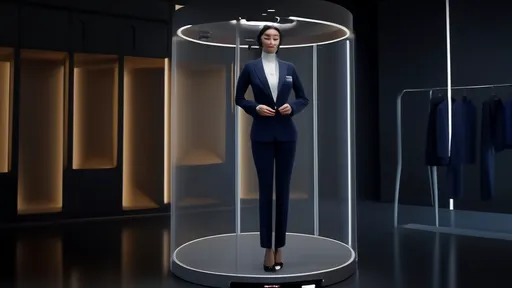
In the landscape of professional attire, the power suit has long stood as the undisputed uniform of authority. For decades, women entering the boardroom were advised to armor themselves in the structured shoulders and sharp lines of a pantsuit or a skirt suit, a sartorial strategy borrowed directly from the male-dominated corporate world. This was the visual shorthand for competence, ambition, and seriousness. It signaled a desire to be taken seriously by conforming to an established, masculine-coded standard of power. While this was a necessary and effective tool for a generation of pioneers, it represented a limited, almost monolithic, definition of what powerful dressing could be.
Today, however, a profound and exciting shift is underway. The lexicon of power dressing is expanding far beyond the confines of the traditional suit. A new generation of female leaders, entrepreneurs, and creatives is redefining authority on their own terms, using clothing not as a uniform to blend in, but as a multifaceted language to express individuality, values, and a more holistic, authentic form of strength. This evolution moves away from mimicry and toward a celebration of feminine power in all its diverse expressions. The conversation is no longer about dressing for the room you’re in, but about reshaping the room itself through your presence.
The Rise of Soft Power Dressing
One of the most significant trends is the embrace of "soft power" dressing. This aesthetic trades rigid shoulder pads for fluid silhouettes, austere tailoring for tactile textures, and neutral palettes for expressive color. Think of a beautifully cut silk wrap dress in a bold print, an elegant wide-leg jumpsuit in a luxe fabric, or a sophisticated knit set. These choices communicate confidence not through imposed structure, but through an inherent understanding of quality, cut, and personal style. The power emanates from a place of assured comfort and deliberate aesthetic choice. It says, "I am so secure in my capabilities that I do not need to wear a costume of authority." This approach often incorporates elements traditionally coded as feminine—flowing lines, delicate details, color—and repositions them not as weaknesses, but as strengths.
The Statement Piece as a Conversation Starter
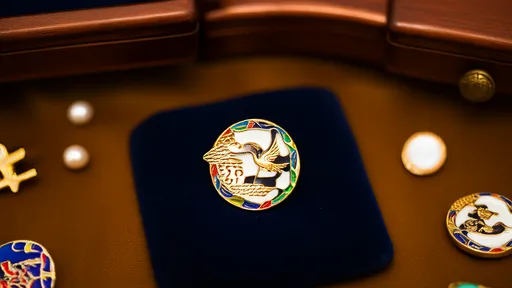
Another powerful strategy moving beyond the suit is the intentional use of a statement piece. This allows a woman to anchor her professional look with an item that speaks volumes about her personality and perspective. It could be a piece of bold, architectural jewelry, a scarf with artistic or cultural significance, a pair of shoes that are unmistakably unique, or a bag that is a work of art in itself. This element becomes a focal point, a way to express creativity and individuality within a professional context. It serves as an icebreaker and a memorable identifier, fostering connections that go beyond mere business transactions. It demonstrates that power and personality are not mutually exclusive; in fact, they can be powerfully synergistic.
The Power of Artistic and Avant-Garde Expression
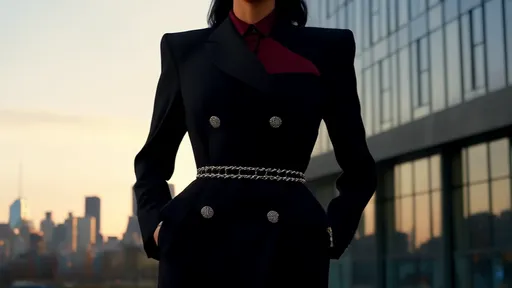
In creative industries and for those at the pinnacle of their fields, power dressing can veer into the realm of wearable art. Designers, artists, executives in tech and media, and other innovators often use clothing as a canvas for self-expression. Asymmetric cuts, unconventional fabrics, dramatic volumes, and avant-garde designs project a formidable sense of vision and originality. This style of dress communicates that the wearer is a thought leader, unafraid to challenge conventions and define new paradigms—in fashion and in her work. It is perhaps the furthest departure from the conformist power suit, representing a form of power that is entirely self-generated and deeply conceptual.
Cultural Heritage as a Badge of Honor
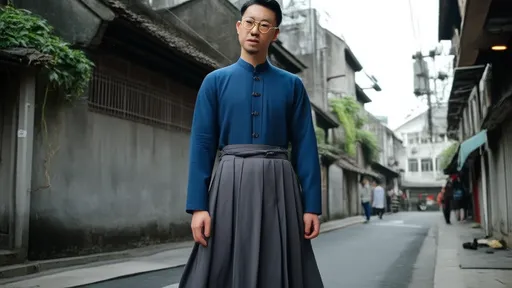
For many women, true power dressing involves incorporating elements of their cultural heritage into their professional wardrobe. This can be one of the most potent declarations of authority, as it roots a woman's power in her identity, history, and community. This might involve wearing a West African print dress, a South Asian saree or salwar kameez in a boardroom setting, incorporating Indigenous jewelry designs, or choosing designs from labels that celebrate and modernize traditional craftsmanship. This act is transformative. It challenges the Western-centric history of corporate attire and boldly asserts that global perspectives and backgrounds are not just welcome but are essential components of modern leadership. It is power derived from authenticity and pride.
The Unapologetic Embrace of Color and Print
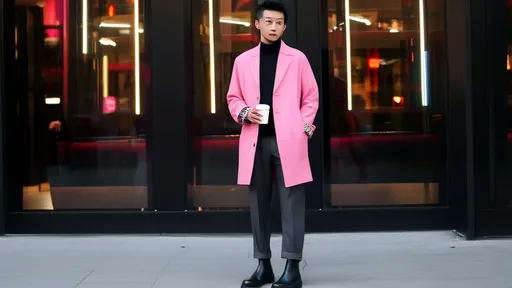
Moving beyond the navy, black, and grey uniform of old-school corporate culture, color itself has become a tool for commanding attention and projecting confidence. A vibrant fuchsia blazer, a sunshine-yellow coat, or a dress in a striking abstract print does more than just brighten a room—it declares presence. Color psychology plays a role here; different hues can project different energies, from the calm authority of deep emerald green to the optimistic energy of coral. Wearing significant color or pattern is a conscious choice to be seen, to be remembered, and to lead with vibrancy and vision. It rejects the notion that power must be muted or invisible.
The Elevated Casual and "Quiet Luxury"
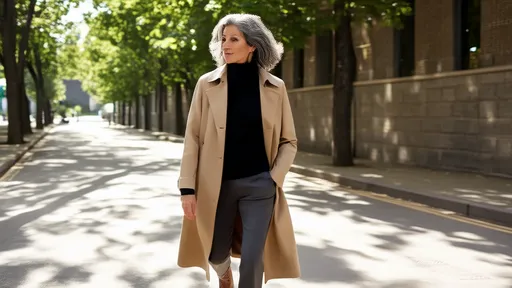
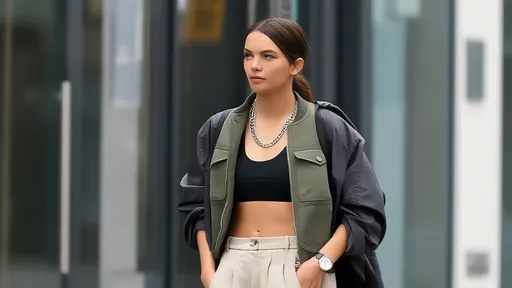
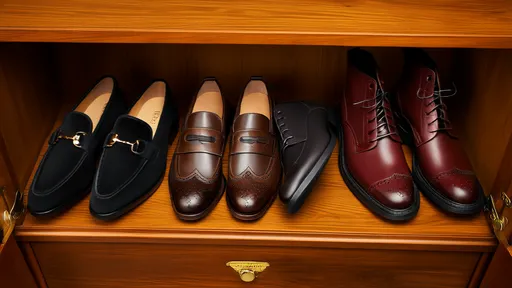
The modern workplace, especially with the rise of hybrid and remote models, has also given birth to the power of elevated casualwear. This isn't about showing up in gym clothes; it's about mastering a look of understated, impeccable quality and fit. The philosophy of "quiet luxury" or "stealth wealth"—though often associated with elitism—can be reinterpreted as a focus on timeless pieces, superb materials, and perfect tailoring. A perfectly fitted cashmere sweater, tailored trousers in a interesting fabric, and minimalist leather loafers can project an aura of confidence and competence that is effortless and modern. This style whispers rather than shouts, suggesting that one's status and ability are so inherent that they require no loud sartorial validation.
Conclusion: A More Inclusive and Authentic Vision of Power
The journey from the mandated power suit to today's expansive sartorial landscape is about more than just fashion; it is a reflection of a broader societal evolution. As women have carved out more diverse and powerful roles across all sectors, the uniform has necessarily fragmented and evolved to meet them. The new symbols of female power in attire are as varied as the women who wear them. They can be soft or architectural, colorful or neutral, traditional or avant-garde, cultural or personal.
The common thread is intentionality. Power dressing today is about making conscious choices that align with one's personal identity, the message one wishes to project, and the culture one aims to cultivate. It is a rejection of the one-size-fits-all model and an embrace of a more nuanced, inclusive, and authentic definition of strength. The ultimate power outfit is no longer a suit of armor designed for defense, but a curated expression of self, designed for impact. The power is not in the clothing itself, but in the woman who wears it—and she is choosing to define power on her own terms.

By /Aug 21, 2025
By /Aug 21, 2025
By /Aug 21, 2025
By /Aug 21, 2025
By /Aug 21, 2025
By /Aug 21, 2025
By /Aug 21, 2025
By /Aug 21, 2025
By /Aug 21, 2025
By /Aug 21, 2025
By /Aug 21, 2025
By /Aug 21, 2025
By /Aug 21, 2025
By /Aug 21, 2025
By /Aug 21, 2025
By /Aug 21, 2025
By /Aug 21, 2025

By /Aug 21, 2025
By /Aug 21, 2025
By /Aug 21, 2025