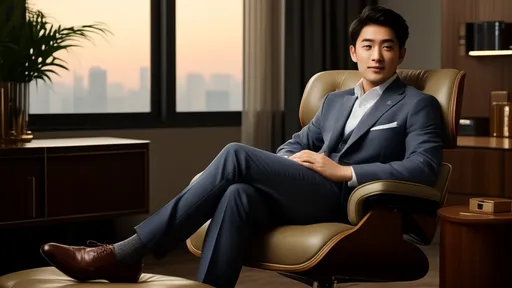
In the world of men's fashion, a quiet revolution is taking place. The rigid rules that once dictated what constituted appropriate attire for different occasions are gradually dissolving. For decades, the suit and tie were non-negotiable staples in a man's wardrobe, reserved for the office, formal events, and important meetings. Today, however, the landscape is shifting dramatically. The concept of dressing for the occasion is being replaced by a more fluid, personal approach to style. This transformation is not just about comfort; it's about redefining masculinity, professionalism, and self-expression in the modern era.
The origins of this change can be traced back to the tech industry, where Silicon Valley pioneers famously rejected traditional corporate dress codes in favor of hoodies, jeans, and sneakers. This rebellion against formality signaled a broader cultural shift towards valuing innovation and individuality over conformity. As these tech leaders became some of the most influential figures in the global economy, their sartorial choices began to carry weight. The message was clear: creativity and competence were no longer tied to a suit. This ethos quickly permeated other industries, from creative agencies to startups, challenging long-held notions about what it means to dress professionally.
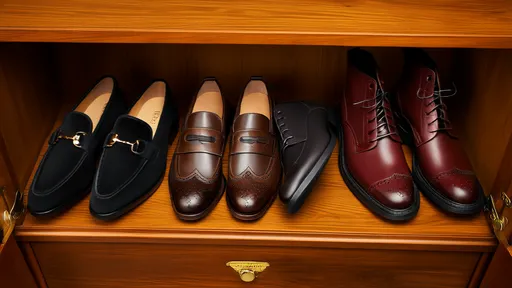
Another significant factor driving this trend is the evolution of fabric technology and design. Performance fabrics that offer stretch, wrinkle resistance, and moisture-wicking properties have made their way into formalwear, blurring the lines between comfort and style. Brands are now designing blazers with technical fabrics, trousers with elastic waistbands, and dress shoes with sneaker-like comfort. These innovations mean that men no longer have to choose between looking polished and feeling at ease. The modern man can wear a tailored piece that moves with him throughout his day, whether he's heading to a board meeting or a casual dinner.
The rise of remote and hybrid work models has also accelerated the casualization of men's attire. With more professionals working from home, the need for a full suit has diminished. Even when returning to the office, many companies have adopted more relaxed dress codes, often labeled as "business casual" or simply "smart casual." This has led to a reevaluation of what constitutes appropriate workwear. Chinos, polo shirts, and unstructured blazers have become acceptable alternatives to traditional suits, allowing men to express their personal style while maintaining a professional appearance. The focus has shifted from adhering to a strict uniform to cultivating a versatile wardrobe that can adapt to various settings.
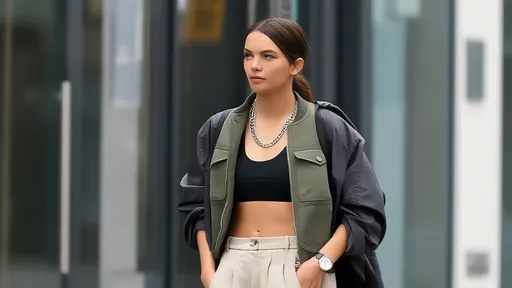
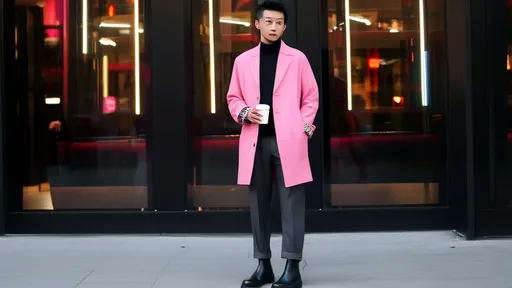
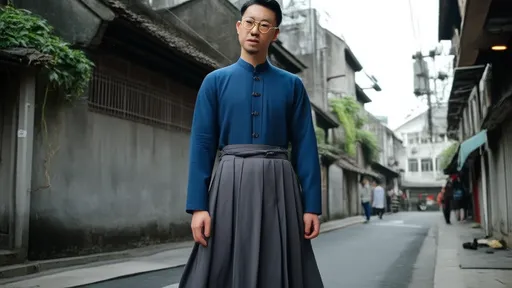
Social media and street style have played crucial roles in popularizing this new approach to menswear. Platforms like Instagram and Pinterest are filled with influencers and style icons who mix high and low fashion, pairing luxury items with everyday basics. This has democratized fashion, making it more accessible and less intimidating for the average man. Street style photography from fashion weeks around the world showcases how men are experimenting with proportions, textures, and colors, often blending formal pieces with casual elements. A suit jacket might be worn with denim jeans, or dress shoes paired with relaxed trousers. These combinations challenge traditional norms and encourage men to think outside the box.
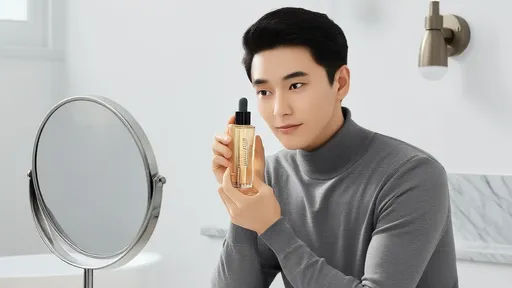
Moreover, the changing perceptions of masculinity have contributed to this sartorial evolution. Modern masculinity embraces vulnerability, authenticity, and self-care, which extends to how men dress. The idea that caring about one's appearance is frivolous or unmanly is being dismantled. Instead, fashion is seen as a tool for self-expression and confidence. Men are increasingly investing in their wardrobes, not out of obligation, but because they enjoy it. This shift is evident in the growing market for men's grooming products, accessories, and personalized styling services. The modern man is encouraged to curate a wardrobe that reflects his personality and lifestyle, rather than adhering to outdated rules.
The retail industry has responded to these changes by offering more flexible and versatile clothing options. Many brands now focus on creating "transitional" pieces that can easily move from day to night, from the office to social events. For example, a blazer might be designed to be worn with both dress trousers and jeans, or a shirt constructed from technical fabric that looks formal but feels like athleisure. This adaptability is key to the modern man's wardrobe, as it allows for greater efficiency and simplicity. Instead of owning separate outfits for different occasions, men can build a capsule wardrobe with mix-and-match items that serve multiple purposes.
Despite this move towards casualization, tailoring has not disappeared; it has evolved. The demand for custom and made-to-measure clothing has actually increased, as men seek garments that fit their unique bodies and styles. However, the aesthetics of tailoring have changed. Shoulders are softer, silhouettes are more relaxed, and fabrics are lighter. The goal is no longer to create a rigid, armor-like suit but to enhance the wearer's natural shape and provide comfort. This new approach to tailoring acknowledges that a man can look sharp without being constricted. It's about precision without pretension, elegance without effort.
Looking ahead, the trend towards casualization and personalization is likely to continue. As Generation Z enters the workforce, they bring with them an even more relaxed attitude towards dress codes. Sustainability concerns are also influencing purchasing decisions, with men opting for higher-quality, timeless pieces over fast fashion. The future of men's formalwear lies in its ability to adapt—to become more inclusive, versatile, and authentic. The suit may never go out of style entirely, but its role and definition will keep evolving. The era of dressing for the occasion is giving way to an era of dressing for oneself.
In conclusion, the休闲化改革 of men's formalwear represents a significant cultural shift towards individuality, comfort, and authenticity. It reflects broader changes in how we work, socialize, and perceive gender roles. While some may mourn the loss of traditional elegance, this evolution offers an opportunity for men to engage with fashion in a more meaningful and personal way. The rules are not being discarded entirely but rewritten to accommodate diverse lifestyles and preferences. Ultimately, the most important outfit a man can wear is one that makes him feel confident and true to himself, regardless of the occasion.

By /Aug 21, 2025
By /Aug 21, 2025
By /Aug 21, 2025
By /Aug 21, 2025
By /Aug 21, 2025
By /Aug 21, 2025
By /Aug 21, 2025
By /Aug 21, 2025
By /Aug 21, 2025
By /Aug 21, 2025
By /Aug 21, 2025
By /Aug 21, 2025
By /Aug 21, 2025
By /Aug 21, 2025
By /Aug 21, 2025
By /Aug 21, 2025
By /Aug 21, 2025
By /Aug 21, 2025
By /Aug 21, 2025
By /Aug 21, 2025