In the intricate dance between commerce and creativity, corporate art sponsorship has evolved from mere philanthropy to a sophisticated symbiotic relationship. The contemporary landscape reveals a dynamic interplay where businesses and cultural institutions forge partnerships that yield mutual benefits far beyond financial transactions. This paradigm shift reflects a deeper understanding of how artistic engagement can enhance corporate identity while simultaneously nourishing the cultural ecosystem.
The traditional model of art patronage, often characterized by wealthy individuals supporting artists out of personal passion or prestige, has been largely supplanted by strategic corporate involvement. Today's businesses approach art sponsorship not as charity but as a meaningful investment in brand development, community engagement, and corporate social responsibility. This transformation has created a new framework where cultural value and commercial interests intersect productively.
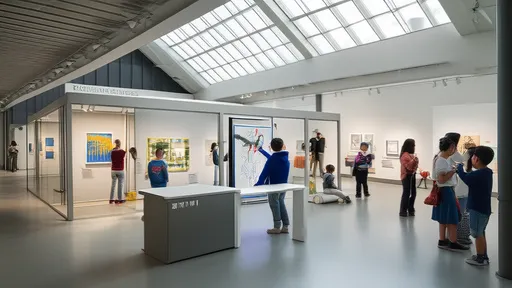
Corporate sponsorship provides vital oxygen to cultural institutions struggling with funding constraints. Museums, theaters, and galleries face escalating operational costs while public funding remains inconsistent. Corporate partnerships offer financial stability that enables ambitious programming, conservation efforts, and educational outreach. This support allows cultural organizations to maintain artistic integrity while expanding their reach to diverse audiences.
Beyond financial contributions, corporations bring valuable business expertise to cultural partnerships. Marketing strategies, audience development techniques, and operational efficiencies from the corporate world often help cultural institutions improve their sustainability. This knowledge transfer creates stronger organizational foundations within the arts sector, enabling long-term planning and more effective community engagement.
For businesses, art sponsorship represents a powerful vehicle for enhancing brand perception. Association with prestigious cultural institutions lends companies an aura of sophistication and social consciousness. This cultural capital translates into improved consumer perception, often making sponsored brands more attractive to discerning customers who value corporate citizenship and cultural engagement.
The employee engagement benefits of art sponsorship are equally significant. Companies that support the arts often report higher employee morale and retention rates. Cultural programs provide unique team-building opportunities and creative stimulation that complement traditional corporate training. Employees frequently express pride working for organizations that demonstrate commitment to cultural enrichment and community development.
Corporate art sponsorship also serves as an innovative platform for client entertainment and business development. Exclusive exhibition previews, artist talks, and performance events create distinctive settings for cultivating client relationships. These cultural experiences often prove more memorable and effective than conventional business entertainment, fostering deeper connections with clients and partners.
The geographical impact of corporate art sponsorship cannot be overlooked. Companies frequently focus their cultural investments in communities where they operate, contributing to urban revitalization and local identity. This place-making strategy benefits both corporations, who strengthen their local presence, and communities, who gain enhanced cultural infrastructure and increased tourism.
Successful art sponsorship requires careful alignment between corporate and cultural partners. The most effective collaborations emerge when companies support institutions or programs that resonate with their brand values and business objectives. This strategic fit ensures authentic engagement that audiences recognize and appreciate, avoiding perceptions of mere commercial exploitation of cultural prestige.
Measurement and evaluation have become crucial components of modern art sponsorship. Corporations increasingly demand tangible returns on their cultural investments, leading to sophisticated metrics for assessing impact. These evaluation frameworks examine not only media exposure and audience reach but also deeper measures of brand perception changes, employee engagement levels, and community impact.
The digital transformation has opened new frontiers for corporate art sponsorship. Virtual exhibitions, online collections, and digital educational resources allow sponsors to reach global audiences beyond physical limitations. This digital expansion creates additional value for corporate partners while democratizing access to cultural experiences.
Despite the clear benefits, corporate art sponsorship faces challenges regarding artistic independence. The most successful partnerships maintain clear boundaries that respect artistic autonomy while fulfilling commercial objectives. Cultural institutions must navigate these relationships carefully to preserve their creative integrity while appreciating the necessary compromises of corporate collaboration.
Looking forward, the evolution of art sponsorship continues as new business models and cultural needs emerge. The growing emphasis on social impact and sustainability is shaping more thoughtful approaches to corporate cultural engagement. Companies are increasingly seeking partnerships that address specific social issues through artistic expression, creating deeper meaningful connections with communities.
The future will likely see more innovative sponsorship structures, including consortium models where multiple companies support major cultural initiatives. These collaborative approaches can distribute financial risk while amplifying impact, creating sustainable funding models for large-scale cultural projects that benefit entire communities.
Corporate art sponsorship represents a sophisticated ecosystem where business strategy and cultural development intersect. When executed with vision and integrity, these partnerships create value that transcends financial transactions, enriching corporate identity while strengthening cultural infrastructure. This symbiotic relationship continues to evolve, reflecting changing business priorities and cultural needs while maintaining the essential balance between commercial interests and artistic expression.
The ongoing dialogue between corporations and cultural institutions promises continued innovation in how we support and experience art. As both sectors face new challenges and opportunities, the art sponsorship model will undoubtedly adapt, creating fresh possibilities for mutual benefit and cultural enrichment. This dynamic relationship remains crucial for sustaining vibrant cultural landscapes in an increasingly commercial world.

By /Aug 28, 2025

By /Aug 28, 2025

By /Aug 28, 2025

By /Aug 28, 2025

By /Aug 28, 2025

By /Aug 28, 2025

By /Aug 28, 2025

By /Aug 28, 2025

By /Aug 28, 2025

By /Aug 28, 2025

By /Aug 28, 2025

By /Aug 28, 2025

By /Aug 28, 2025
By /Aug 28, 2025

By /Aug 28, 2025

By /Aug 28, 2025

By /Aug 28, 2025

By /Aug 28, 2025
By /Aug 28, 2025

By /Aug 28, 2025