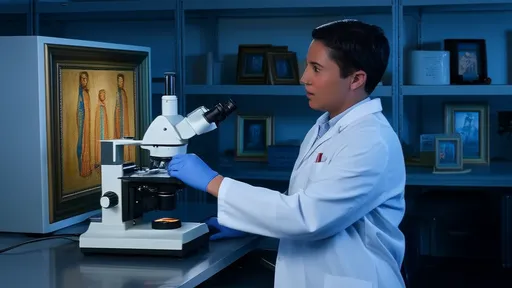
In the ever-evolving world of art, the issue of authenticity has long been a challenge for artists, collectors, and institutions alike. For centuries, the art market has grappled with forgeries, misattributions, and disputes over provenance, often leading to significant financial losses and eroded trust. However, a revolutionary technology is now stepping into the spotlight to address these age-old problems: blockchain. By leveraging its decentralized, immutable, and transparent nature, blockchain is transforming how we verify and protect the authenticity of artworks, offering a new paradigm for art authentication that promises greater security, traceability, and confidence in the art world.
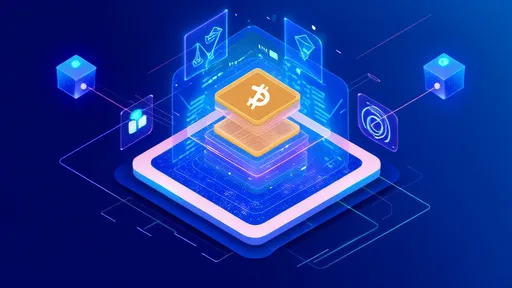
Blockchain, at its core, is a distributed digital ledger that records transactions in a secure and unalterable manner. Each "block" in the chain contains a cryptographic hash of the previous block, a timestamp, and transaction data, making it virtually impossible to tamper with once recorded. This technology, first popularized by cryptocurrencies like Bitcoin, has found applications far beyond finance, including in the art sector. Here, it is being used to create digital certificates of authenticity for artworks, whether they are physical pieces like paintings and sculptures or digital art such as NFTs (non-fungible tokens). These certificates store crucial information, such as the artist's identity, the creation date, ownership history, and any relevant documentation, all hashed and stored on the blockchain for perpetual access and verification.
The process begins when an artist or authorized entity registers an artwork on a blockchain platform. This involves generating a unique digital fingerprint, or hash, for the piece, which is then recorded on the ledger. Any subsequent changes in ownership, sales, or exhibitions are added as new transactions, creating an indelible chain of provenance. This not only helps in preventing forgeries but also simplifies the authentication process for buyers and appraisers. For instance, if someone attempts to sell a counterfeit, a quick check against the blockchain record would reveal discrepancies, such as a missing or altered ownership history, thereby safeguarding the market from fraud.
One of the most significant advantages of blockchain-based art authentication is its transparency and accessibility. Unlike traditional methods that often rely on centralized authorities like galleries or experts—who may be biased or error-prone—blockchain offers a decentralized verification system. Anyone with an internet connection can access the public ledger (in the case of public blockchains) to verify an artwork's authenticity and history. This democratizes the authentication process, reducing barriers for emerging artists and smaller collectors who might not have access to elite art networks. Moreover, it fosters a more inclusive art ecosystem by providing a trustworthy platform for all stakeholders.
In addition to combating forgery, blockchain technology enhances the provenance tracking of artworks. Provenance, or the history of ownership, is critical in determining an artwork's value and legitimacy. With blockchain, each transfer of ownership is recorded as a transparent transaction, complete with timestamps and digital signatures. This creates a comprehensive and tamper-proof audit trail that can be invaluable for insurance purposes, legal disputes, or historical research. For example, in cases of stolen art, blockchain records can help law enforcement track and recover pieces by providing undeniable proof of ownership and transaction history.
The rise of digital art, particularly NFTs, has further highlighted the importance of blockchain in art authentication. NFTs are unique digital tokens representing ownership of a digital asset, such as an image, video, or music file, and they are inherently tied to blockchain technology. By minting an NFT on a blockchain, artists can ensure the scarcity and authenticity of their digital creations, preventing unauthorized copies and establishing a clear ownership chain. This has opened up new revenue streams for digital artists and created a vibrant market for collectible digital art, all underpinned by the security and transparency of blockchain.
Despite its promise, the adoption of blockchain for art authentication is not without challenges. Technical barriers, such as the need for digital literacy among artists and collectors, can hinder widespread implementation. Additionally, there are concerns about the environmental impact of some blockchain networks, particularly those using energy-intensive consensus mechanisms like proof-of-work. However, advancements in greener alternatives, such as proof-of-stake blockchains, are addressing these issues. Furthermore, the initial cost and effort required to register artworks on blockchain platforms may be prohibitive for some, though as the technology matures, these barriers are likely to diminish.
Looking ahead, the integration of blockchain with other emerging technologies like artificial intelligence and IoT (Internet of Things) could further revolutionize art authentication. For instance, AI algorithms could analyze an artwork's style and materials to generate additional verification data, while IoT sensors could monitor physical conditions like temperature and humidity during storage or transport, with all data logged on the blockchain. This multi-faceted approach would create an even more robust system for ensuring art authenticity, from creation to sale and beyond.
In conclusion, blockchain technology is poised to redefine art authentication by providing a secure, transparent, and decentralized framework for verifying artworks and tracking their provenance. While challenges remain, the potential benefits—reduced fraud, enhanced trust, and greater accessibility—make it a powerful tool for the future of the art world. As artists, collectors, and institutions increasingly embrace this innovation, we may soon see a new era where the authenticity of art is guaranteed not by fallible human experts, but by the immutable and trustworthy nature of blockchain.
By /Aug 28, 2025

By /Aug 28, 2025
By /Aug 28, 2025

By /Aug 28, 2025
By /Aug 28, 2025
By /Aug 28, 2025
By /Aug 28, 2025
By /Aug 28, 2025
By /Aug 28, 2025
By /Aug 28, 2025

By /Aug 28, 2025
By /Aug 28, 2025
By /Aug 28, 2025
By /Aug 28, 2025
By /Aug 28, 2025
By /Aug 28, 2025
By /Aug 28, 2025
By /Aug 28, 2025
By /Aug 28, 2025
By /Aug 28, 2025