In the bustling world of cultural events, the organization and execution of an arts festival stand as a monumental task that blends creativity with meticulous planning. The journey from conceptualization to the final curtain call involves a symphony of coordinated efforts, where every detail, no matter how small, plays a crucial role in the overall success. This article delves into the intricate process of orchestrating a large-scale arts festival, highlighting the key execution details that transform vision into reality.
At the heart of any arts festival lies a compelling vision. This initial phase is where the thematic foundation is laid, often inspired by cultural trends, community interests, or artistic innovation. Organizers must define the festival's identity—whether it celebrates local talent, international artistry, or a specific genre like music, theater, or visual arts. This vision not only guides all subsequent decisions but also serves as the rallying point for stakeholders, sponsors, and participants. It's essential to ensure that this vision is both ambitious and achievable, setting a tone that resonates throughout the event.
Once the vision is crystallized, the practicalities of budgeting and funding take center stage. Financial planning is arguably one of the most critical aspects, as it dictates the scale and quality of the festival. Organizers must account for expenses such as venue rentals, artist fees, marketing, staff salaries, and contingency funds. Securing funding through sponsorships, grants, ticket sales, and partnerships requires a strategic approach, often involving detailed proposals and negotiations. A well-managed budget not only prevents overspending but also ensures that resources are allocated efficiently to prioritize high-impact elements.
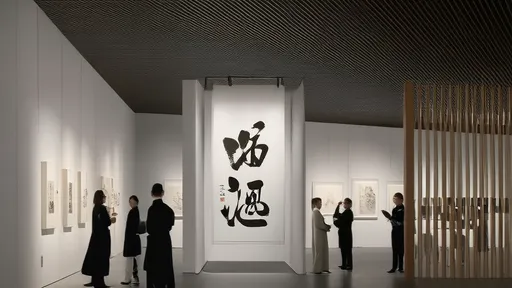
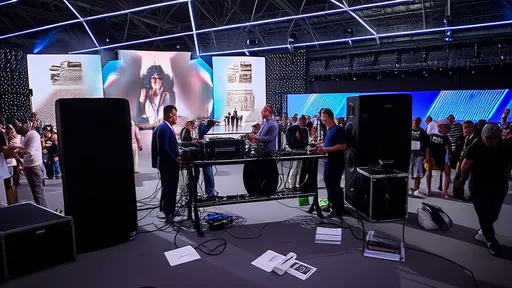
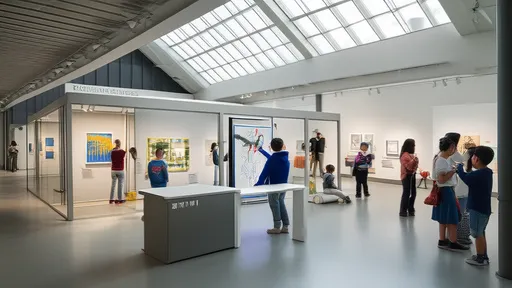
Venue selection and logistics form another pillar of festival organization. The choice of location can make or break the attendee experience. Factors such as accessibility, capacity, ambiance, and technical infrastructure must be carefully evaluated. For multi-venue festivals, coordination becomes even more complex, requiring seamless transportation and signage. Behind the scenes, logistics encompass everything from stage setup and sound engineering to security and emergency plans. Attention to detail here is paramount; for instance, ensuring that performers have green rooms or that audiences have clear sightlines can significantly enhance the overall atmosphere.
Programming and artist curation are where the artistic soul of the festival comes to life. This involves selecting a diverse array of acts or exhibitions that align with the festival's theme while appealing to the target audience. Curators often balance established names with emerging talents to create a dynamic lineup. Scheduling is a delicate art—avoiding clashes between popular events, allowing adequate setup times, and considering audience flow between venues. Additionally, fostering relationships with artists and their representatives is key to smooth negotiations and ensuring that creative visions are respected and realized.
Marketing and promotion are essential to drive attendance and engagement. A multi-channel strategy leveraging social media, traditional advertising, public relations, and community outreach helps build anticipation. Storytelling is a powerful tool here; sharing behind-the-scenes glimpses, artist interviews, or thematic narratives can create emotional connections with potential attendees. Early bird tickets, partnerships with local businesses, and influencer collaborations can amplify reach. Moreover, clear communication about schedules, ticket information, and COVID-19 protocols (if applicable) fosters trust and reduces attendee anxiety.
On-site management during the festival is where planning meets execution. This phase requires a well-trained team capable of handling real-time challenges. Volunteer coordination, crowd control, first aid services, and technical support must operate like clockwork. Effective communication systems, such as radios or apps, ensure that staff can respond swiftly to issues—be it a delayed performance or a lost attendee. The goal is to create a seamless and immersive experience where audiences can focus on enjoying the art without distractions.
Post-festival activities, though often overlooked, are vital for long-term success. Gathering feedback through surveys or debriefs helps identify strengths and areas for improvement. Financial reconciliation and reporting provide insights for future planning, while thank-you notes to artists, sponsors, and volunteers strengthen relationships for upcoming editions. Archiving performances or exhibitions through photos, videos, or publications preserves the festival's legacy and serves as promotional material for the next iteration.
In conclusion, organizing an arts festival is a multifaceted endeavor that demands a blend of artistic sensibility and operational excellence. From vision setting to post-event analysis, each step requires careful attention to detail and adaptive problem-solving. While challenges are inevitable—whether weather disruptions, last-minute cancellations, or budget constraints—a well-executed plan can turn potential pitfalls into opportunities for innovation. Ultimately, a successful arts festival not only showcases extraordinary talent but also creates lasting memories for communities, reinforcing the transformative power of the arts.
By /Aug 28, 2025

By /Aug 28, 2025

By /Aug 28, 2025

By /Aug 28, 2025

By /Aug 28, 2025

By /Aug 28, 2025
By /Aug 28, 2025

By /Aug 28, 2025

By /Aug 28, 2025

By /Aug 28, 2025
By /Aug 28, 2025
By /Aug 28, 2025

By /Aug 28, 2025

By /Aug 28, 2025
By /Aug 28, 2025
By /Aug 28, 2025

By /Aug 28, 2025

By /Aug 28, 2025
By /Aug 28, 2025

By /Aug 28, 2025