Cultural Exchange Exhibition Planning: An Artistic Platform for Intercultural Dialogue

Aug 28, 2025 By

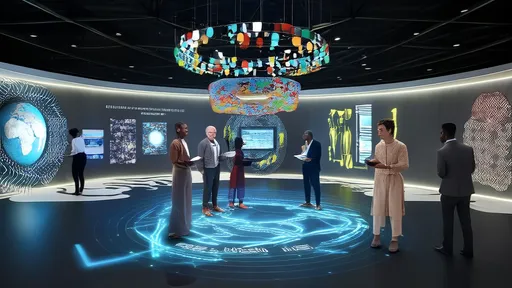
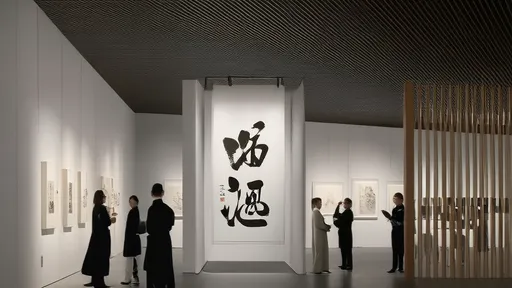
In an increasingly interconnected world, the power of cultural exchange exhibitions to foster meaningful dialogue cannot be overstated. These carefully curated events serve as dynamic platforms where diverse traditions, histories, and artistic expressions converge, creating spaces for mutual understanding and appreciation. The recent surge in globally-minded exhibitions demonstrates a growing recognition of their role not merely as displays of artifacts, but as active participants in cross-cultural conversation.

The art of planning such exhibitions requires a delicate balance between authenticity and accessibility. Curators must navigate the complex terrain of cultural representation while ensuring that the narrative remains engaging for audiences from various backgrounds. This involves meticulous research, collaboration with cultural experts, and often, direct involvement of community representatives from the cultures being showcased. The resulting exhibitions become living entities that breathe new life into traditional artifacts and contemporary works alike.

What sets exceptional cultural exchange exhibitions apart is their ability to create emotional resonance across cultural boundaries. Through thoughtful arrangement and interpretation, visitors find themselves not just observing another culture, but experiencing moments of connection that transcend geographical and linguistic barriers. These exhibitions become theaters of human experience where the universal language of art speaks volumes about our shared humanity while celebrating our beautiful differences.

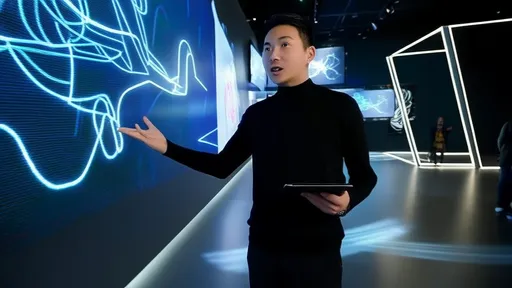
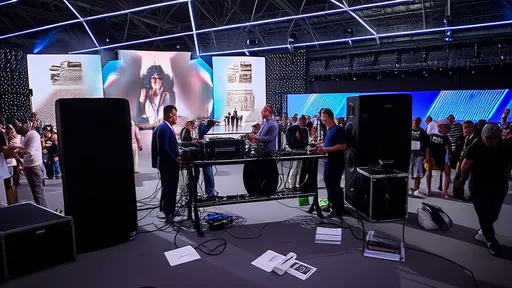
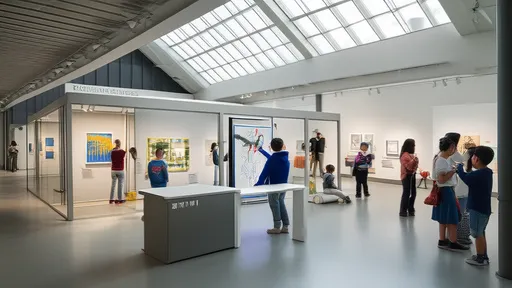
The physical design of these exhibitions plays a crucial role in facilitating cross-cultural dialogue. Spatial arrangements, lighting, and interpretive materials are carefully crafted to guide visitors through a journey of discovery. Interactive elements and multimedia installations have become increasingly important, allowing visitors to engage with cultural content through multiple senses. This multisensory approach helps break down preconceptions and creates more immersive, memorable experiences that linger long after visitors leave the exhibition space.

Technology has revolutionized how cultural exchange exhibitions facilitate dialogue between cultures. Digital platforms now allow for virtual participation, extending the reach of these exhibitions far beyond physical boundaries. Augmented reality applications can bring historical contexts to life, while online discussion forums enable ongoing conversations between visitors from different parts of the world. These technological innovations complement rather than replace the physical experience, creating hybrid spaces where cross-cultural understanding can flourish both locally and globally.

Educational programming forms the backbone of successful cultural exchange exhibitions. Workshops, lectures, and cultural performances transform passive viewing into active participation. These programs provide context and depth, helping visitors understand the cultural significance of what they're experiencing. By involving cultural practitioners directly in these educational activities, exhibitions create authentic opportunities for firsthand learning and personal interaction that can challenge stereotypes and build genuine appreciation.

The impact of these exhibitions often extends far beyond their run dates. Many spark ongoing collaborations between cultural institutions, artists, and communities across borders. They can influence academic discourse, inspire artistic innovation, and even affect cultural policies. The conversations started within exhibition spaces frequently continue in classrooms, community centers, and digital platforms, creating ripple effects that contribute to broader societal understanding and cooperation.

Measuring the success of cultural exchange exhibitions goes beyond visitor numbers and ticket sales. The true metric lies in the quality of dialogue generated and the depth of understanding achieved. Successful exhibitions leave visitors with not just new knowledge, but changed perspectives. They create moments of revelation where the unfamiliar becomes comprehensible, and where cultural differences are appreciated as strengths rather than barriers. This transformative potential makes cultural exchange exhibitions vital instruments of peace and understanding in our complex world.

As we look to the future, the role of cultural exchange exhibitions will only grow in importance. In a world often divided by conflict and misunderstanding, these curated spaces of dialogue offer hope and practical examples of how we can bridge divides through shared appreciation of human creativity. They remind us that while cultures may express themselves differently, the fundamental human experiences of joy, sorrow, love, and aspiration know no cultural boundaries.

The continuing evolution of these exhibitions will likely see even greater emphasis on collaborative curation, with communities taking active roles in how their cultures are represented. We may also see more experimental formats that challenge traditional exhibition models, creating even more engaging and transformative experiences for visitors. What remains constant is the power of these platforms to bring people together through the universal language of art and cultural expression.
Recommend Posts
Arts

Art Data Visualization: Presenting Art Market Trends with Images"

By /Aug 28, 2025

In the rapidly evolving art market, data visualization has emerged as a transformative tool for understanding complex trends and patterns. As galleries, collectors, and institutions navigate an increasingly digital landscape, the ability to translate raw data into compelling visual narratives has become not just advantageous but essential. The intersection of art and analytics might seem paradoxical at first glance—one driven by creativity and emotion, the other by numbers and logic. Yet, it is precisely this fusion that is unlocking new dimensions of insight into how art moves, values shift, and cultural currents evolve.
Arts

Intelligent Art Installations: Sensor Technology and Interactive Experience"

By /Aug 28, 2025

In the ever-evolving landscape of contemporary art, a new frontier has emerged where technology and creativity converge to redefine audience engagement. Intelligent art installations, particularly those harnessing sensor technology, are transforming passive viewership into dynamic, interactive experiences. These works not only challenge traditional notions of art but also invite participants to become co-creators, blurring the lines between observer and artwork. The integration of advanced sensing mechanisms allows these installations to respond to human presence, movement, touch, and even emotional states, creating a symbiotic relationship between the piece and its audience.
Arts

Application of Eco-friendly Materials in Art: Practices for Sustainable Development"

By /Aug 28, 2025

In recent years, the art world has witnessed a profound transformation as sustainability becomes a central theme in creative practices. Artists, galleries, and institutions are increasingly turning to eco-friendly materials, not merely as a trend but as a conscientious response to global environmental challenges. This shift is redefining the relationship between art and nature, blending aesthetic innovation with ecological responsibility. The exploration of sustainable materials in art is no longer confined to niche circles; it has permeated mainstream exhibitions, public installations, and even digital art forms, signaling a broader cultural movement toward mindful creation.
Arts

Art and Biotechnology: Artistic Explorations in Life Sciences

By /Aug 28, 2025

The intersection of art and biotechnology represents one of the most provocative frontiers in contemporary creative and scientific practice. As the boundaries between organic and synthetic, living and non-living, and even ethical and aesthetic continue to blur, a new genre of artistic exploration is flourishing within the laboratories and studios of pioneering individuals. This is not merely art about science, or science illustrated through art; it is a profound synthesis where biological processes become the medium, and scientific inquiry merges with poetic expression. The dialogue between these two seemingly disparate fields is generating works that challenge our very definitions of life, authorship, and the nature of creation itself.
Arts

Construction of Virtual Art Museums: Technical Implementation of Online Exhibitions"

By /Aug 28, 2025

The digital transformation of cultural institutions has accelerated at an unprecedented pace, with virtual art galleries emerging as a revolutionary medium for global art accessibility. The construction of these online platforms represents not merely a temporary alternative to physical spaces but a fundamental reimagining of how art is curated, experienced, and preserved. This paradigm shift is powered by a sophisticated fusion of cutting-edge technologies that work in concert to create immersive, engaging, and authentic digital experiences. The technical realization of online exhibitions is a multidisciplinary endeavor, blending web development, 3D modeling, high-fidelity imaging, and robust data management into a seamless whole.
Arts

Art Conservation Technology: Scientific Methods to Extend the Lifespan of Artworks"

By /Aug 28, 2025

The silent galleries of museums and the hushed halls of private collections hold more than just aesthetic beauty; they are repositories of human history, vulnerable to the relentless march of time. For centuries, the preservation of these treasures was an art form in itself, relying on the intuition and experience of conservators. Today, a quiet revolution is underway, one that merges the meticulous eye of the art historian with the precise tools of the scientist. The field of art conservation science has emerged as a critical discipline, employing advanced technologies not merely to restore, but to proactively extend the lifespan of our cultural heritage for generations to come.
Arts

Artificial Intelligence Art Critique: How Machines Interpret Human Creativity"

By /Aug 28, 2025

In the ever-evolving landscape of artificial intelligence, one of the most intriguing developments has been the emergence of AI systems capable of analyzing, interpreting, and even creating art. This new frontier, often termed computational aesthetics, is not merely a technical achievement but a profound cultural shift, forcing a re-examination of age-old questions about creativity, interpretation, and the very essence of art itself. The dialogue between machine analysis and human creation is generating a vibrant, and at times contentious, discourse within the global art community.
Arts

Augmented Reality Art Experience: Art Creation in Overlay Reality

By /Aug 28, 2025

In recent years, the art world has witnessed a profound transformation, driven by the integration of cutting-edge technology with traditional creative practices. Among the most compelling developments is the emergence of augmented reality (AR) as a medium for artistic expression. Augmented reality art represents a fusion of the physical and digital realms, allowing artists to overlay virtual elements onto the real world, thereby creating immersive, interactive experiences that challenge conventional notions of art and perception.
Arts

Blockchain Art Authentication: Technological Assurance of Artistic Authenticity

By /Aug 28, 2025

In the ever-evolving world of art, the issue of authenticity has long been a challenge for artists, collectors, and institutions alike. For centuries, the art market has grappled with forgeries, misattributions, and disputes over provenance, often leading to significant financial losses and eroded trust. However, a revolutionary technology is now stepping into the spotlight to address these age-old problems: blockchain. By leveraging its decentralized, immutable, and transparent nature, blockchain is transforming how we verify and protect the authenticity of artworks, offering a new paradigm for art authentication that promises greater security, traceability, and confidence in the art world.
Arts

The Application of 3D Printing in Sculpture: The Artistic Possibilities of Digital Manufacturing

By /Aug 28, 2025

In the quiet hum of a studio, a new kind of chisel is at work. It isn’t held by a sculptor’s hand, guided by muscle memory and instinct. Instead, it’s a precise laser or extruder, building forms layer by minuscule layer, translating digital dreams into tangible reality. This is the world of 3D printing in sculpture, a frontier where the cold logic of technology meets the warm, expressive soul of art. What was once a niche manufacturing process has blossomed into a powerful creative medium, fundamentally altering how artists conceive, design, and fabricate their work. It is not merely a new tool; it is a new language for form, texture, and possibility.
Arts

Management of Artist Residency Programs: Collaboration between Artists and Institutions"

By /Aug 28, 2025

The landscape of contemporary art is increasingly shaped by the dynamic and symbiotic relationships forged through artist residency programs. These initiatives, which bring creators into temporary partnership with host institutions, represent far more than mere logistical arrangements. They are complex ecosystems of cultural exchange, creative development, and organizational growth that require sophisticated management approaches to truly flourish.
Arts

Cultural Exchange Exhibition Planning: An Artistic Platform for Intercultural Dialogue

By /Aug 28, 2025

In an increasingly interconnected world, the power of cultural exchange exhibitions to foster meaningful dialogue cannot be overstated. These carefully curated events serve as dynamic platforms where diverse traditions, histories, and artistic expressions converge, creating spaces for mutual understanding and appreciation. The recent surge in globally-minded exhibitions demonstrates a growing recognition of their role not merely as displays of artifacts, but as active participants in cross-cultural conversation.
Arts

Risk Assessment for Art Projects: Preventive and Responsive Strategies

By /Aug 28, 2025

In the vibrant and often unpredictable world of artistic creation, the concept of risk is as inherent as creativity itself. While the romantic notion of the artist as a solitary genius bravely facing the unknown persists, the reality for contemporary art projects—whether large-scale installations, international exhibitions, or community-based workshops—demands a far more structured and proactive approach. The successful navigation of these ventures hinges not on avoiding risk altogether, which is an impossibility, but on a robust framework for its assessment, prevention, and mitigation. This is no longer a peripheral administrative task but a core creative and managerial discipline essential for safeguarding artistic vision, financial investment, and public safety.
Arts

Editing and Designing Exhibition Catalogues: Perfect Presentation from Content to Form"

By /Aug 28, 2025

In the world of publishing, few projects demand as much interdisciplinary collaboration and creative finesse as the design and editing of exhibition catalogues. These publications serve not merely as companions to art shows but often as lasting artifacts that outlive the exhibitions themselves. The process of bringing such a catalogue to life involves a delicate dance between content and form, where editorial decisions are deeply intertwined with design choices. It’s a holistic endeavor where text, image, layout, and materiality must harmonize to convey the curator’s vision and the artist’s voice.
Arts

Brand Building of Art Institutions: Shaping Cultural Influence

By /Aug 28, 2025

In the ever-evolving cultural landscape, the concept of brand building within art institutions has transcended mere marketing tactics to become a cornerstone of cultural influence and sustainability. Unlike commercial enterprises, art institutions carry the dual responsibility of preserving artistic integrity while engaging diverse audiences. The journey of brand development in this sector is not about selling a product but about cultivating a narrative that resonates deeply with societal values, historical context, and creative expression.
Arts

Art Festival Organization and Planning: Execution Details of Large-Scale Events"

By /Aug 28, 2025

In the bustling world of cultural events, the organization and execution of an arts festival stand as a monumental task that blends creativity with meticulous planning. The journey from conceptualization to the final curtain call involves a symphony of coordinated efforts, where every detail, no matter how small, plays a crucial role in the overall success. This article delves into the intricate process of orchestrating a large-scale arts festival, highlighting the key execution details that transform vision into reality.
Arts

The Business Model of Art Sponsorship: A Win-Win for Corporations and Culture"

By /Aug 28, 2025

In the intricate dance between commerce and creativity, corporate art sponsorship has evolved from mere philanthropy to a sophisticated symbiotic relationship. The contemporary landscape reveals a dynamic interplay where businesses and cultural institutions forge partnerships that yield mutual benefits far beyond financial transactions. This paradigm shift reflects a deeper understanding of how artistic engagement can enhance corporate identity while simultaneously nourishing the cultural ecosystem.
Arts

Budget Management in Artistic Activities: Cost Control and Quality Assurance

By /Aug 28, 2025

In the intricate world of arts administration, the delicate balance between financial prudence and creative excellence remains a perennial challenge. Budget management in artistic endeavors is not merely a logistical necessity but a fundamental component that shapes the very essence of cultural production. The interplay between cost control and quality assurance defines the sustainability and impact of artistic projects, influencing everything from conceptual development to audience engagement. This dynamic requires a nuanced approach, where financial decisions are deeply intertwined with artistic vision rather than treated as separate concerns.
Arts

Public Education in Art Museums: Bridging Art and Audiences"

By /Aug 28, 2025

In the heart of every vibrant city, the art museum stands not merely as a repository of cultural treasures but as a dynamic nexus where creativity and community converge. The discourse surrounding public education in museums has evolved dramatically over recent decades, shifting from passive viewing experiences to immersive, participatory engagements that transform visitors into active participants in the artistic dialogue. This transformation underscores the museum's role as a vital bridge—one that connects the often-intimidating world of art with the diverse, curious public it seeks to serve.
Arts

Narrative Structures in Exhibition Curation: How to Tell a Good Art Story"

By /Aug 28, 2025

In the realm of art exhibitions, the power of storytelling has emerged as a transformative force, reshaping how audiences engage with visual narratives. The traditional model of simply displaying artworks in chronological or thematic order is giving way to more dynamic, immersive experiences that weave together objects, context, and emotion into a cohesive whole. This shift reflects a growing recognition that art, at its core, is about communication—and what better way to communicate than through a well-crafted story?