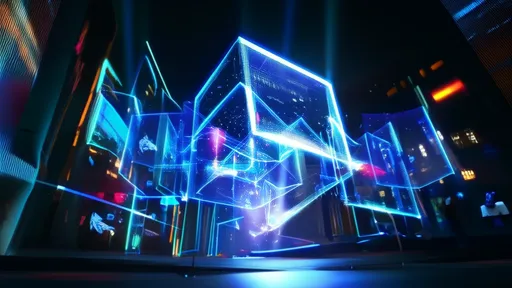
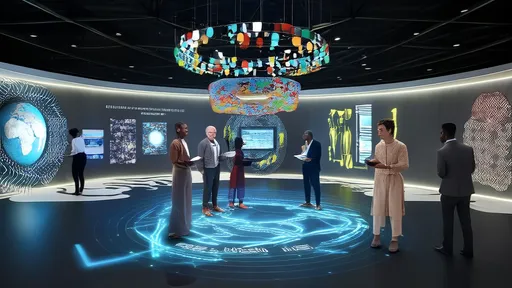
In recent years, the art world has witnessed a profound transformation, driven by the integration of cutting-edge technology with traditional creative practices. Among the most compelling developments is the emergence of augmented reality (AR) as a medium for artistic expression. Augmented reality art represents a fusion of the physical and digital realms, allowing artists to overlay virtual elements onto the real world, thereby creating immersive, interactive experiences that challenge conventional notions of art and perception.
The concept of augmented reality is not entirely new; it has roots in early experiments with mixed reality and digital overlays. However, advancements in mobile technology, computer vision, and spatial computing have propelled AR into the mainstream, enabling artists to explore its potential with unprecedented sophistication. Unlike virtual reality, which constructs entirely synthetic environments, AR enhances the existing world, adding layers of meaning, narrative, and aesthetic dimension. This unique characteristic makes it an ideal canvas for artists seeking to engage audiences in novel ways, blurring the boundaries between the tangible and the imaginary.
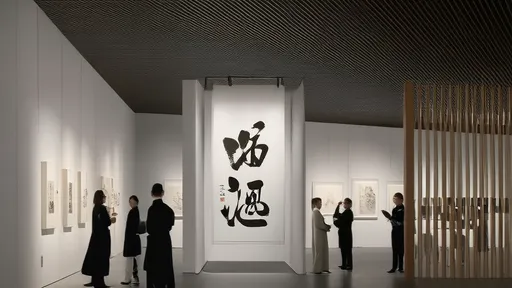
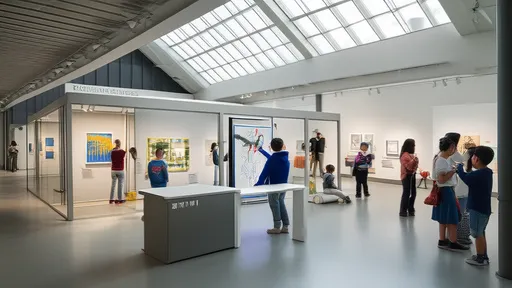
One of the defining features of AR art is its ability to democratize access to artistic experiences. Traditionally, art has been confined to galleries, museums, and specific physical locations, limiting its reach to those who can visit these spaces. With AR, art can be encountered anywhere—on city streets, in public parks, or even within the comfort of one's home. By simply using a smartphone or AR glasses, viewers can unlock hidden digital artworks superimposed onto their surroundings. This accessibility not only broadens the audience for art but also encourages a more inclusive and participatory culture, where anyone with a device can become an active participant in the artistic process.
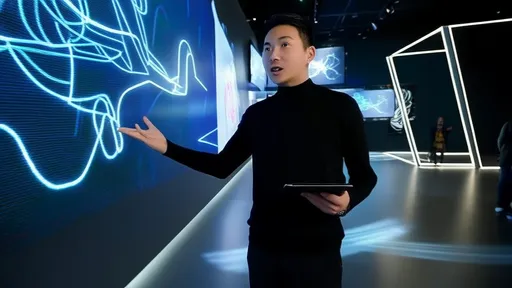
Moreover, AR art fosters a dynamic interaction between the artwork and the viewer. Unlike static paintings or sculptures, AR creations often respond to the environment or the audience's movements, creating a sense of agency and collaboration. For instance, an AR installation might change its form based on the time of day, weather conditions, or the number of people present. This interactivity transforms passive observation into an engaging dialogue, where the viewer's actions directly influence the evolution of the piece. Such experiences can evoke deeper emotional connections and provoke thought about the relationship between technology, nature, and human agency.
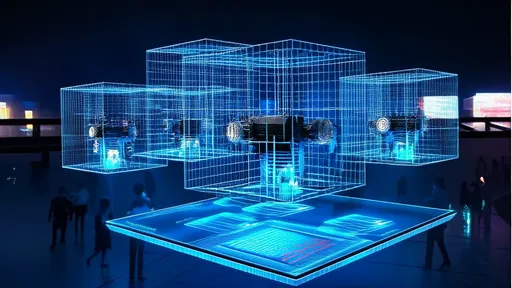
The creative process behind AR art is equally innovative, requiring artists to master a blend of traditional skills and technical expertise. Many AR artists come from diverse backgrounds, including painting, sculpture, design, and programming. They employ tools like Unity, Unreal Engine, and AR-specific platforms to design and deploy their works. This interdisciplinary approach not only expands the toolkit available to artists but also encourages collaborations across fields, leading to groundbreaking projects that merge art, science, and technology. For example, some artists use AR to visualize scientific data or historical narratives, making complex information more accessible and engaging through aesthetic interpretation.
Despite its many advantages, AR art also presents challenges, particularly concerning preservation and authorship. Digital artworks are inherently ephemeral, reliant on specific hardware and software that may become obsolete over time. Ensuring the longevity of AR pieces requires careful consideration of archiving strategies and future-proofing techniques. Additionally, the collaborative nature of AR creation often involves multiple contributors, raising questions about intellectual property and the definition of authorship in a digitally mediated context. These issues underscore the need for new frameworks and discussions within the art community to address the unique aspects of this medium.
Looking ahead, the future of AR art appears boundless, with potential applications extending beyond entertainment into education, therapy, and social commentary. As AR technology continues to evolve, with improvements in wearables and spatial awareness, artists will have even more tools at their disposal to craft compelling narratives and experiences. We may see AR used to reimagine public monuments, create immersive historical reenactments, or facilitate cross-cultural dialogues through shared virtual spaces. The intersection of AR with other emerging technologies, such as artificial intelligence and the Internet of Things, could further amplify its impact, leading to art forms that are not only interactive but also intelligent and adaptive.
In conclusion, augmented reality art is reshaping the landscape of contemporary creativity, offering new ways for artists to express themselves and for audiences to engage with art. By merging the digital and physical worlds, AR creates a rich tapestry of experiences that are accessible, interactive, and profoundly transformative. As this medium continues to mature, it promises to redefine not only how we create and consume art but also how we perceive and interact with the world around us. The journey of AR art is just beginning, and its potential to inspire, challenge, and connect us is limited only by our imagination.
By /Aug 28, 2025
By /Aug 28, 2025
By /Aug 28, 2025

By /Aug 28, 2025
By /Aug 28, 2025
By /Aug 28, 2025
By /Aug 28, 2025
By /Aug 28, 2025

By /Aug 28, 2025
By /Aug 28, 2025

By /Aug 28, 2025
By /Aug 28, 2025
By /Aug 28, 2025
By /Aug 28, 2025
By /Aug 28, 2025
By /Aug 28, 2025
By /Aug 28, 2025

By /Aug 28, 2025
By /Aug 28, 2025
By /Aug 28, 2025